
Pneumonia in Children: A Complete Guide for Parents
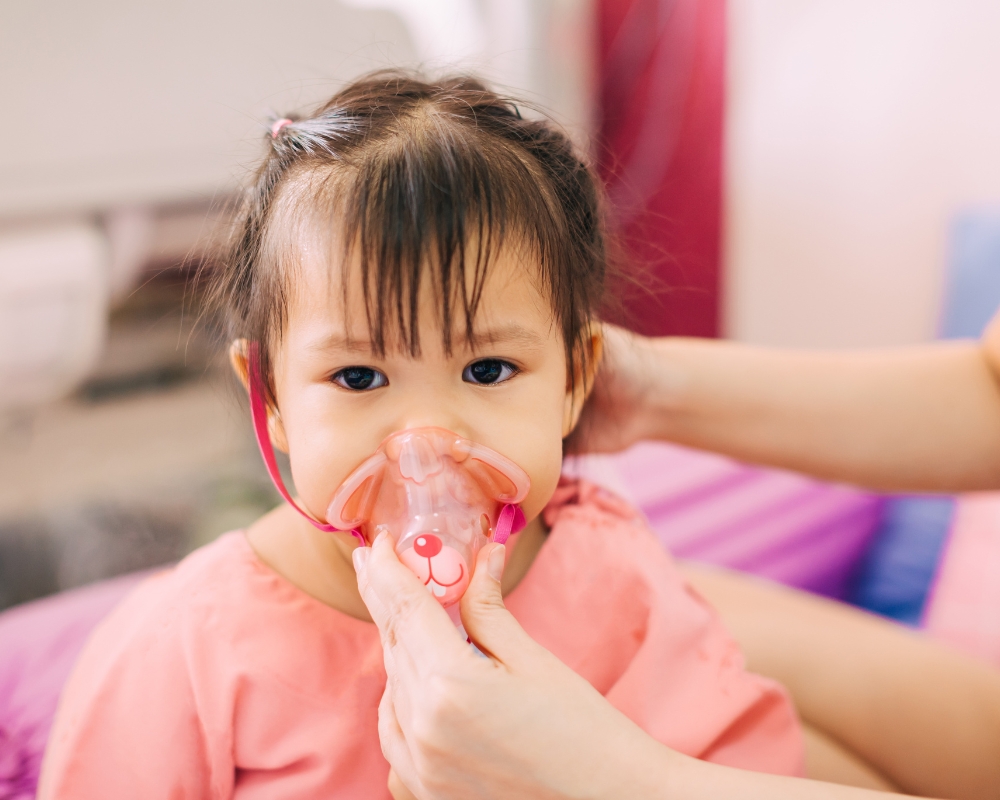
Every parent worries when their child develops a fever, cough, or difficulty breathing. While many respiratory infections are mild, some can develop into pneumonia, a potentially serious infection that requires timely medical attention.
Pneumonia remains one of the most common childhood illnesses in India and continues to be a leading cause of hospitalization and death among children under five years of age. The good news is that with early diagnosis, appropriate treatment, and timely vaccination, most children recover completely.
Understanding the warning signs can help parents seek medical care before complications develop.
What Is Pneumonia?
Pneumonia is an infection that causes inflammation of the lung tissue (lung parenchyma). The tiny air sacs in the lungs become filled with fluid or pus, making it difficult for the child to breathe and reducing the amount of oxygen reaching the body.
Pneumonia can affect one lung or both lungs and varies from mild to life-threatening depending on the child's age, overall health, and the organism causing the infection.
How Common Is Pneumonia in India?
Pneumonia is a major public health concern in India. Every year, millions of Indian children are affected by pneumonia, making it one of the leading causes of illness and mortality in children under the age of five. Early diagnosis, proper treatment, and vaccination have significantly improved survival rates, but pneumonia continues to require urgent medical attention.
What Causes Pneumonia in Children?
Pneumonia develops when bacteria, viruses, or occasionally fungi infect the lungs
The most common causes include:
- Bacterial infections
- Viral infections
- Influenza virus
- Pneumococcal bacteria
- Haemophilus influenzae type B (Hib)
Young children, infants, and children with weak immunity are more vulnerable to severe infections.
Symptoms of Pneumonia in Children
Symptoms may vary depending on the child's age and the severity of infection.
Common symptoms include:
- High fever
- Fast or difficult breathing
- Persistent cough
- Chest retractions (the chest pulling inward while breathing)
- Chest pain
- Poor feeding in infants
- Irritability
- Unusual sleepiness or lethargy
- Bluish lips or fingertips (cyanosis)
- Vomiting
- Reduced activity
- Seizures (in severe cases)
- Respiratory distress
Infants may sometimes show poor feeding and excessive sleepiness even before developing a cough.
Warning Signs That Require Immediate Medical Attention
Seek emergency medical care if your child has:
- Rapid breathing
- Difficulty breathing
- Bluish lips or skin
- Refusal to eat or drink
- Persistent high fever
- Convulsions
- Extreme drowsiness
- Continuous vomiting
- Severe chest pain
These symptoms may indicate severe pneumonia requiring hospitalization.
Possible Complications of Pneumonia
Without timely treatment, pneumonia can lead to serious complications.
These include:
- Pleural effusion (fluid around the lungs)
- Empyema (pus collection around the lungs)
- Lung abscess
- Bloodstream infection (septicemia)
- Meningitis
- Pericardial infection
- Bone infection (osteomyelitis)
- Severe dehydration
- Respiratory failure
How Is Pneumonia Diagnosed?
An experienced paediatrician can often diagnose pneumonia based on your child's medical history and physical examination.
To assess the severity or identify complications, your doctor may recommend:
- Chest X-ray
- Complete Blood Count (CBC)
- C-Reactive Protein (CRP)
- Blood culture
- Oxygen saturation monitoring
Not every child requires all these investigations. The choice depends on the severity of symptoms.
Treatment of Pneumonia in Children
Treatment depends on the cause and severity of the infection. For bacterial pneumonia, antibiotics remain the primary treatment.
Children with severe pneumonia may require hospitalization for:
- Oxygen therapy
- Intravenous (IV) fluids
- Injectable antibiotics
- Nebulization (when indicated)
- Fever management
- Continuous monitoring of breathing and oxygen levels
- Nutritional support
Most children begin showing improvement within a few days after starting appropriate treatment, but completing the full course of medication is essential.
Which Children Are at Higher Risk?
Some children have a greater risk of developing pneumonia.
Risk factors include:
- Malnutrition
- Anaemia
- Premature birth
- Weak immunity
- Air pollution
- Indoor smoke exposure
- Passive smoking
- Poor housing conditions
- Overcrowded living spaces
- Incomplete vaccination
- Poor hand hygiene
- Frequent respiratory infections within the family
Reducing these risk factors can significantly lower the chances of severe pneumonia.
Can Pneumonia Be Prevented?
Yes. Many cases of childhood pneumonia can be prevented. Parents can reduce the risk by:
1. Complete Vaccination
Ensure your child receives vaccines against:
- Pneumococcal disease (PCV)
- Haemophilus influenzae type B (Hib)
- Influenza (Flu vaccine)
Vaccination is one of the most effective ways to protect children from severe pneumonia.
2. Good Nutrition
A balanced diet strengthens the immune system and helps children fight infections more effectively. Exclusive breastfeeding during the first six months also provides important protection.
3. Maintain Good Hygiene
Teach children to:
- Wash hands regularly.
- Cover their mouth while coughing.
- Avoid sharing utensils with sick individuals.
Simple hygiene measures reduce the spread of respiratory infections.
4. Reduce Exposure to Smoke and Pollution
Avoid:
- Indoor smoking
- Tobacco smoke
- Biomass fuel smoke
- Heavy air pollution whenever possible
Clean indoor air significantly benefits children's lung health.
5. Keep Sick Family Members Away
Respiratory infections spread easily within households. Limiting close contact with sick family members helps protect young children.
When Should Parents Consult a Paediatrician?
Consult your paediatrician immediately if your child has:
- Fever lasting more than two days
- Fast breathing
- Persistent cough
- Difficulty breathing
- Poor feeding
- Unusual sleepiness
- Bluish lips
- Chest retractions
- Recurrent pneumonia
Early medical evaluation leads to faster recovery and reduces the risk of complications.
Why Early Treatment Matters
Children often recover completely when pneumonia is diagnosed early and treated appropriately. Delaying treatment can increase the risk of hospitalization, breathing difficulties, and serious complications. Parents should never ignore rapid breathing or persistent fever in a child.
Expert Care by Dr. Himanshu Agarwal
If your child develops symptoms of pneumonia or recurrent respiratory infections, timely evaluation is essential. Dr. Himanshu Agarwal, Senior Paediatrician & Child Specialist in Gurgaon, provides comprehensive diagnosis, evidence-based treatment, vaccination guidance, and long-term respiratory care for infants, children, and adolescents. With extensive experience in managing childhood infections, Dr. Himanshu focuses on early diagnosis, compassionate care, and preventive healthcare to ensure every child receives the best possible treatment.
Frequently Asked Questions
Final Thoughts
Pneumonia is a serious but treatable childhood illness. Recognizing the symptoms early, ensuring timely medical care, maintaining good nutrition, and keeping vaccinations up to date are the most effective ways to protect your child.
If your child has persistent fever, rapid breathing, or signs of respiratory distress, don't delay seeking medical advice. Early treatment can make a significant difference in recovery and help prevent life-threatening complications.